
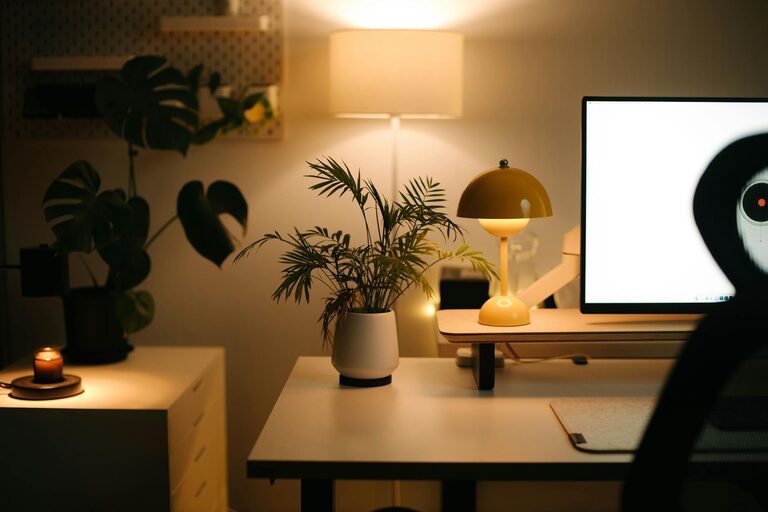
Creating a home workspace that is both relaxing and productive can make a significant difference in your daily working routine. Whether you work full-time from home or occasionally need a dedicated area, a thoughtfully designed workspace helps reduce stress, improve focus, and increase overall comfort.
In this post, we’ll explore practical tips for designing a relaxing home workspace that supports your productivity while nurturing your wellbeing.
Why a Relaxing Workspace Matters
Working in a cluttered or uncomfortable environment can quickly drain your motivation and energy. On the other hand, a calm, organised space encourages concentration and creativity. Your workspace should be a place where you feel comfortable and inspired, not overwhelmed.
Choosing the Right Location
Find a Quiet Spot
Select an area in your home where noise and interruptions are minimal. This could be a spare room, a corner of the living room, or even a nook by a window. The quieter the space, the easier it is to focus.
Consider Natural Light
Position your desk near a source of natural light. Sunlight can improve mood and reduce eye strain. Avoid placing your screen directly opposite a window to prevent glare.
Designing for Comfort
Invest in an Ergonomic Chair
A good chair supports your posture and prevents back pain. Look for adjustable features that allow you to customise height and lumbar support.
Choose a Suitable Desk
Your desk should provide enough space for your computer, documents, and any other tools you need. Standing desks or adjustable desks can offer flexibility and promote movement throughout the day.
Maintain Good Posture
Arrange your monitor at eye level, keep your feet flat on the floor, and sit with shoulders relaxed. These small adjustments can greatly reduce fatigue.
Creating a Calm Atmosphere
Declutter Regularly
Keep your desk tidy by removing unnecessary items. A clean space helps clear your mind and focus on tasks.
Use Calming Colours
Soft, neutral tones like pale blue, green, or beige create a soothing background. Avoid overly bright or distracting colours.
Add Personal Touches
Incorporate items that make you feel calm and inspired, such as plants, photos, or art. Be mindful not to overcrowd your workspace.
Optimising Lighting
Combine Natural and Artificial Light
Natural light is ideal, but supplement with adjustable desk lamps or floor lamps to reduce eye strain, especially in the evenings.
Choose Warm Lighting
Warm or soft white bulbs help create a cosy environment, unlike harsh fluorescent lights that can cause discomfort.
Managing Noise
Use Noise-Cancelling Headphones
If your workspace is near noisy areas, headphones can help you maintain focus.
Play Soft Background Music or Nature Sounds
Gentle music or ambient sounds can mask distractions and promote concentration.
Organising Your Workspace
Use Storage Solutions
Drawers, shelves, and organisers keep supplies and documents neatly arranged and within reach.
Keep Essential Items Handy
Store frequently used tools close to your desk to avoid unnecessary movement.
Label and Categorise
Label folders, boxes, and shelves for easy retrieval and less time searching.
Incorporating Break Areas
Create a Separate Space for Breaks
If possible, designate a nearby area with comfortable seating where you can relax during breaks. This encourages mental rest and prevents burnout.
Include Mindfulness or Stretching Tools
Items like a yoga mat, stress balls, or meditation cushions can help you unwind and recharge.
Setting Boundaries
Define Work Hours
Establish clear start and finish times to separate professional and personal life.
Communicate Your Workspace Rules
If you live with others, explain the importance of your workspace and ask for respect during working hours.
Maintaining Your Workspace
Clean and Refresh Regularly
Dust surfaces, vacuum floors, and clean screens weekly to maintain a healthy environment.
Update Your Setup as Needed
As your work changes, adjust your workspace to fit new requirements or improve comfort.
Final Thoughts
A relaxing home workspace combines functionality with comfort. By paying attention to location, lighting, design, and organisation, you can create a space that helps you stay productive while feeling calm and comfortable. Small changes can make a big difference, so start with one or two tips and build your dream workspace over time.
Remember, your home workspace is a personal area: tailor it to your needs and preferences to get the most out of every workday.