
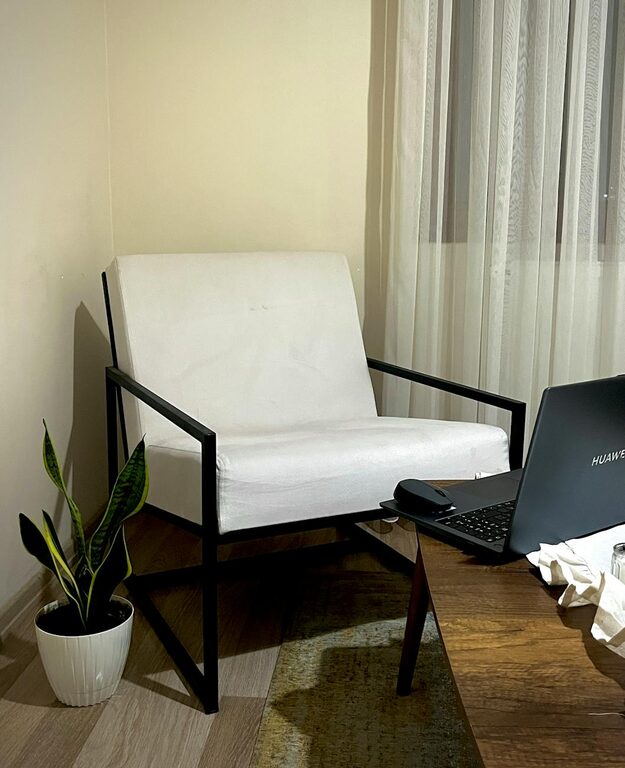
Creating a relaxing home workspace can make a significant difference to your productivity and overall wellbeing. Whether you work remotely full-time or occasionally, having a space that supports focus while keeping stress at bay is essential. This guide offers practical tips to help you design a calm and efficient work area right in your home.
Why a Relaxing Workspace Matters
A cluttered, noisy, or uncomfortable workspace can lead to distractions, fatigue, and decreased motivation. Conversely, a relaxing environment helps you concentrate better, think more clearly, and feel less stressed during your working hours. Designing your home workspace with calm and comfort in mind sets the stage for more productive days.
Choosing the Right Spot for Your Workspace
Start by selecting a space with minimal distractions. Ideally, use a separate room or a quiet corner away from high-traffic areas such as the kitchen or living room.
– Natural light: Position your desk near windows to benefit from daylight. Exposure to natural light improves mood and alertness.
– Ventilation: Good airflow reduces stuffiness and helps keep your mind fresh.
– Privacy: Consider how easy it is to close the space off to reduce interruptions, especially if other household members are around.
Clutter-Free and Organised Environment
A neat workspace plays a huge role in creating a relaxing atmosphere.
– Declutter regularly: Remove unnecessary papers, cables, and items that do not serve your daily work.
– Storage solutions: Use drawers, shelves, or organisers to keep essentials tidy and within reach.
– Minimalist setup: Keep only the tools you use daily on your desk to avoid distractions.
Comfortable and Supportive Furniture
Your furniture choices influence both your comfort and productivity.
– Ergonomic chair: Invest in an adjustable chair that supports your back to prevent strain.
– Desk height: Ensure your desk is at a comfortable height so your arms rest naturally when typing.
– Footrest: If your feet do not touch the floor comfortably, a footrest can improve posture.
Soothing Colour Palette
Colours can affect mood and productivity in subtle but powerful ways.
– Soft, neutral tones: Shades like pale blue, sage green, or light beige promote calmness.
– Avoid overly bright colours: Neon or intense reds can cause agitation or eye strain.
– Accent colours: Use gentle pops of colour with accessories like cushions or wall art to add personality without overwhelming the space.
Lighting that Supports Your Eyes and Mood
Good lighting reduces eye strain and helps maintain focus.
– Layered lighting: Combine natural light with adjustable overhead lights and a desk lamp.
– Warm white bulbs: Use bulbs with a warm colour temperature to create a cosy, inviting atmosphere.
– Avoid glare: Position screens and light sources to minimise reflections on monitors.
Adding Elements that Encourage Relaxation
Incorporate calming items to enhance the atmosphere without cluttering your space.
– Plants: Indoor plants improve air quality and add a touch of nature, which is naturally soothing.
– Aromatherapy: Subtle scents from a diffuser or scented candle can enhance relaxation (ensure they don’t interfere with your work).
– Personal touches: Display photographs or artwork that inspire and uplift you.
Managing Noise for Concentration
Sound levels greatly affect how relaxed and focused you feel.
– Noise-cancelling headphones: Useful if your environment has distracting background noise.
– Soft background music: Instrumental or nature sounds can help drown out disruptive noises.
– Soundproofing: If possible, add rugs, curtains, or panels to absorb sound.
Establishing a Routine and Boundaries
A relaxing workspace works best when paired with good habits.
– Set regular working hours: Defining when you start and finish helps keep work from spilling into your downtime.
– Take breaks: Step away from your desk regularly to stretch and refresh your mind.
– Limit non-work usage: Use your workspace exclusively for work to associate it with focus and relaxation.
Keeping Technology Organised and Efficient
Technology should streamline your tasks, not add to your stress.
– Cable management: Use clips or tubes to keep wires neat and out of the way.
– Declutter your desktop: Keep your computer desktop organised to reduce visual clutter.
– Regular updates: Ensure your software and devices are up to date to avoid frustration.
Final Thoughts
A relaxing home workspace doesn’t require a complete room makeover. By thoughtfully choosing your space, organising it well, and adding comfortable elements, you can create an environment that supports productivity and wellbeing. Remember, small changes can lead to big improvements in how you feel and work each day.